One of the most important and valuable aspects of our work is the way we build relationships with our partners. We genuinely believe that meaningful partnership requires presence, and for that reason we go to great lengths to visit our partners regularly, often in challenging and remote contexts. These face-to-face encounters are essential to the trust, understanding and long-term collaboration that underpin our work.
At the same time, we recognise that such work carries inherent risks, both for our team and for those we work alongside. For this reason, we place a strong emphasis on preparation, safety and responsible practice. It was with this in mind that our team gathered in Kendal, Cumbria, in late November and early December 2025 to take part in an intensive Wilderness Medical Training (WMT) course in the heart of the Lake District.
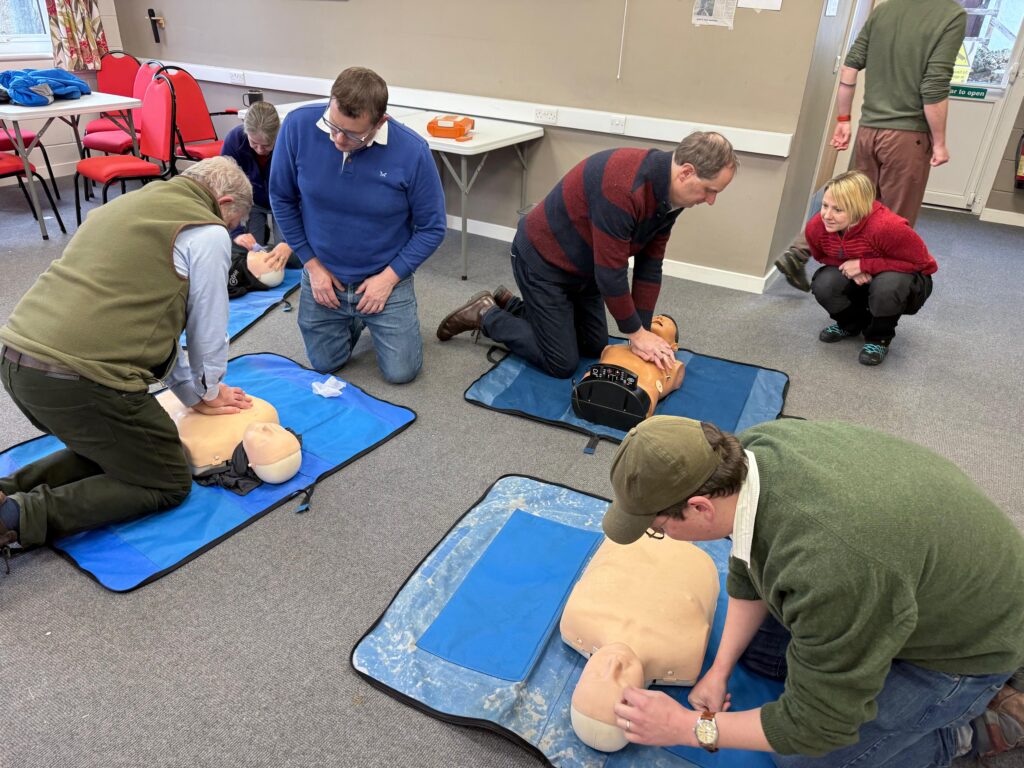
The training, delivered by Wilderness Medical Training UK, is specifically designed for individuals operating in remote, low-resource or austere environments where immediate access to professional medical care may not be available. Over the course of several days, our team engaged in a mix of classroom learning, practical skill-building and realistic outdoor scenarios, all aimed at equipping participants to assess, stabilise and manage medical emergencies until further help can be reached.
The course covered a wide range of situations that are particularly relevant to our work. This included the assessment and management of traumatic injuries, environmental illnesses such as hypothermia or heat-related conditions, and decision-making around evacuation and ongoing care in remote settings. A strong emphasis was placed on structured patient assessment, prioritisation, teamwork and calm response under pressure, all taught through hands-on practice and scenario-based simulations.
An important feature of Wilderness Medical Training is its focus on realism. Much of the learning takes place outdoors, reflecting the conditions in which emergencies are most likely to occur. This approach not only reinforces practical skills but also builds confidence, judgement and adaptability, all of which are qualities that are essential when working far from conventional medical facilities.
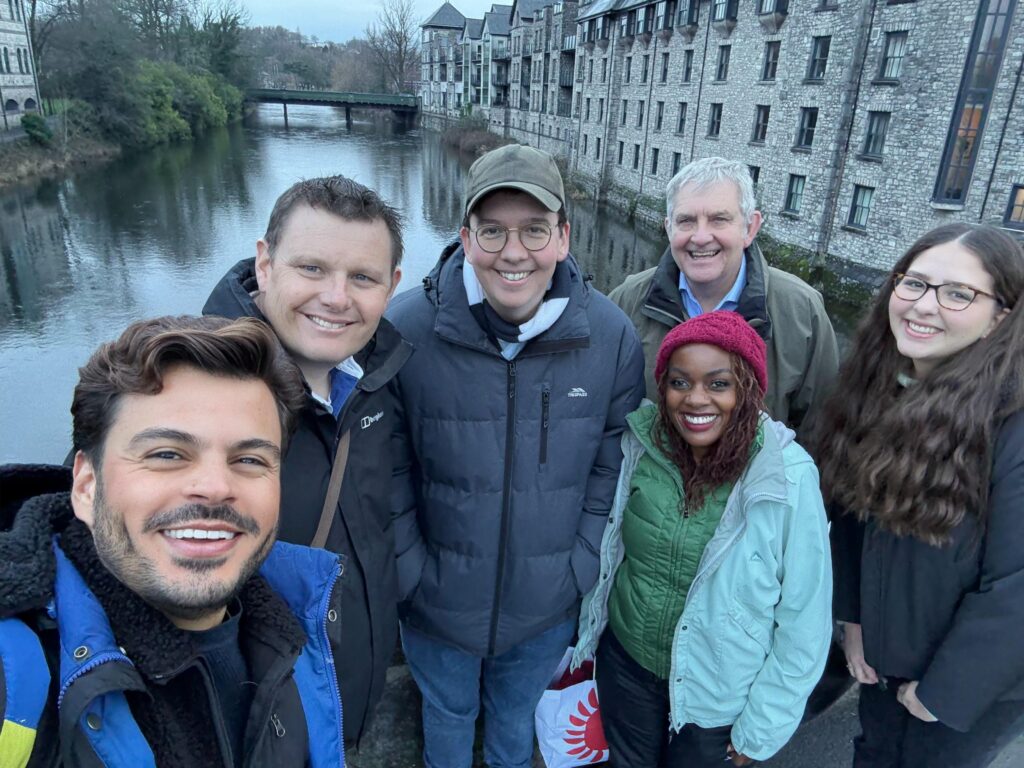
Upon completion of the course, participants receive a Wilderness Medical Training certificate that is valid for two years. For many members of the Relay Trust team, this training also served as a renewal of qualifications first obtained a couple of years ago. The Kendal course therefore offered both an opportunity to refresh existing knowledge and skills, and to ensure that our certifications remain current and compliant with best practice.
This training is particularly important given the nature of our work. Relay Trust staff regularly travel to regions where health services may be limited, infrastructure fragile, and emergency response times long. Being appropriately trained allows us to reduce risk, respond more effectively in critical situations, and act with care and responsibility towards ourselves, our partners and the communities we serve.
Beyond the technical skills gained, the days spent together in Kendal also reinforced our shared values as a team. They reminded us that commitment to mission must always be matched by commitment to preparedness, stewardship and the well-being of others. In this sense, the training was not simply a requirement, but a reaffirmation of the ethos with which we approach our work.
We are grateful to Wilderness Medical Training for the quality and professionalism of their instruction, and we remain committed to maintaining high standards of safety and readiness as part of our ongoing work. As we continue to walk alongside our partners around the world, we do so equipped not only with good intentions, but with the skills and responsibility needed to serve well.