Across Africa the Anglican Church is growing at an extraordinary pace. In many regions congregations are expanding rapidly and thousands of people are coming to faith in Christ. This growth is one of the most encouraging developments in global Christianity today. Yet it also raises an important question. How can churches ensure that new believers are truly discipled and cared for as the church continues to grow?
This challenge sits at the heart of Relay Trust’s work. Our mission is to support Anglican churches in Africa by strengthening leadership training at every level of church life. We believe that flourishing churches depend on strong and well-formed leaders who know their communities, teach the Scriptures faithfully, and guide believers in discipleship.
One of the key insights shaping our work is a simple principle. For a church to remain healthy and relational there should ideally be one trained leader for every 150 believers. This is not an arbitrary number. It reflects both biblical patterns of pastoral care and practical insights into how human communities function. In Scripture, church leaders are described as shepherds who know their flock and care for them personally. That kind of relationship is only possible when leaders are responsible for a community that is small enough to know well.
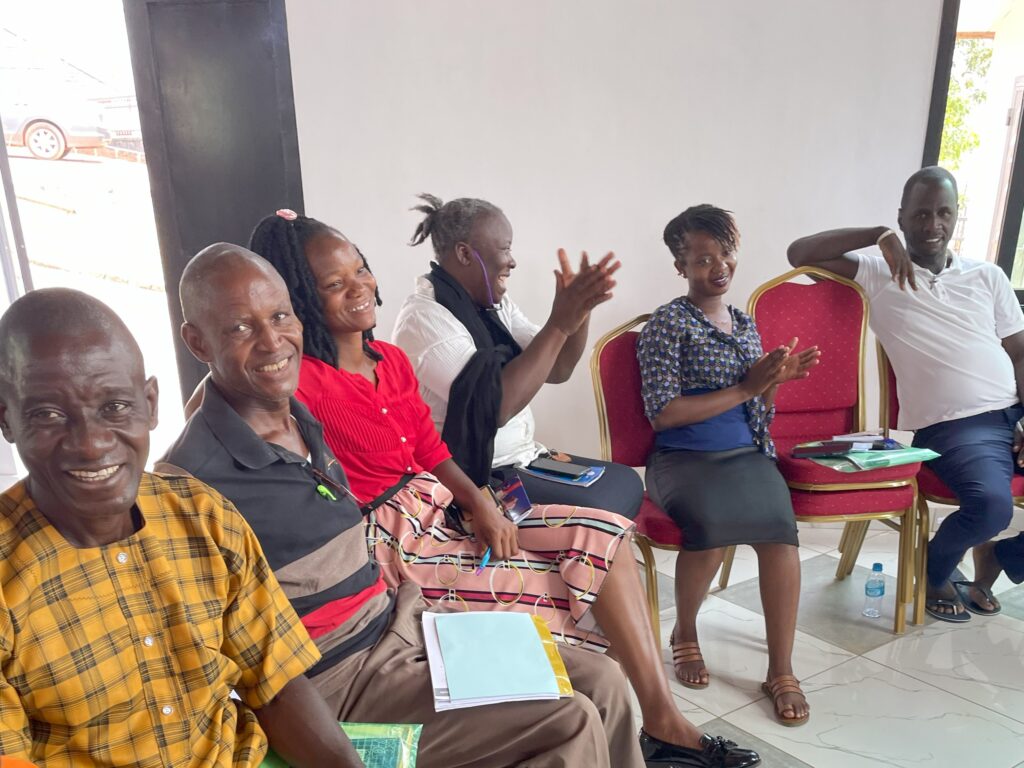
Lay leaders in training at Mount Zion Training Centre near Freetown Sierra Leone
Research in social science points to a similar pattern. Studies of human communities consistently show that individuals can maintain meaningful relationships with around 150 people. Beyond this point communities tend to become impersonal unless new leadership structures are created. This is why many thriving churches naturally form smaller groups, raise additional leaders, or plant new congregations as they grow.
For African Anglican churches this principle has enormous significance. Across the continent church growth has far outpaced the number of trained leaders available to serve congregations. In some places a single priest may be responsible for hundreds or even thousands of believers spread across multiple communities. While these leaders serve faithfully, the scale of responsibility makes personal pastoral care extremely difficult.
Relay Trust therefore focuses on helping churches multiply leaders, not simply expand congregations. Our goal is to support partner churches in developing one congregational leader for every 150 believers and one parish leader for every ten congregational leaders. This approach strengthens discipleship at the grassroots level and ensures that every local church has leaders who can guide and nurture the community.
Bishop Elsir Kuku in the Diocese of Heiban in the Nuba Mountains in Sudan
Why does this matter for the global church? Because the long-term health of Christianity depends not only on evangelism but on discipleship. When believers are well taught and supported they grow in faith, serve their communities, and share the gospel with others. Leadership development therefore becomes one of the most effective ways to strengthen the church worldwide.
There is also something the wider church can learn from this vision. The growth of Christianity in Africa reminds us that the church flourishes when discipleship is personal, relational, and rooted in local communities. Rather than relying solely on large gatherings or centralised structures, healthy churches multiply leaders who can care for smaller groups of believers.
Relay Trust’s role is simply to walk alongside African church leaders as they pursue this vision. Through theological training, grassroots leadership programmes, and partnerships with local dioceses, we help equip the leaders who will guide the church in the decades ahead.
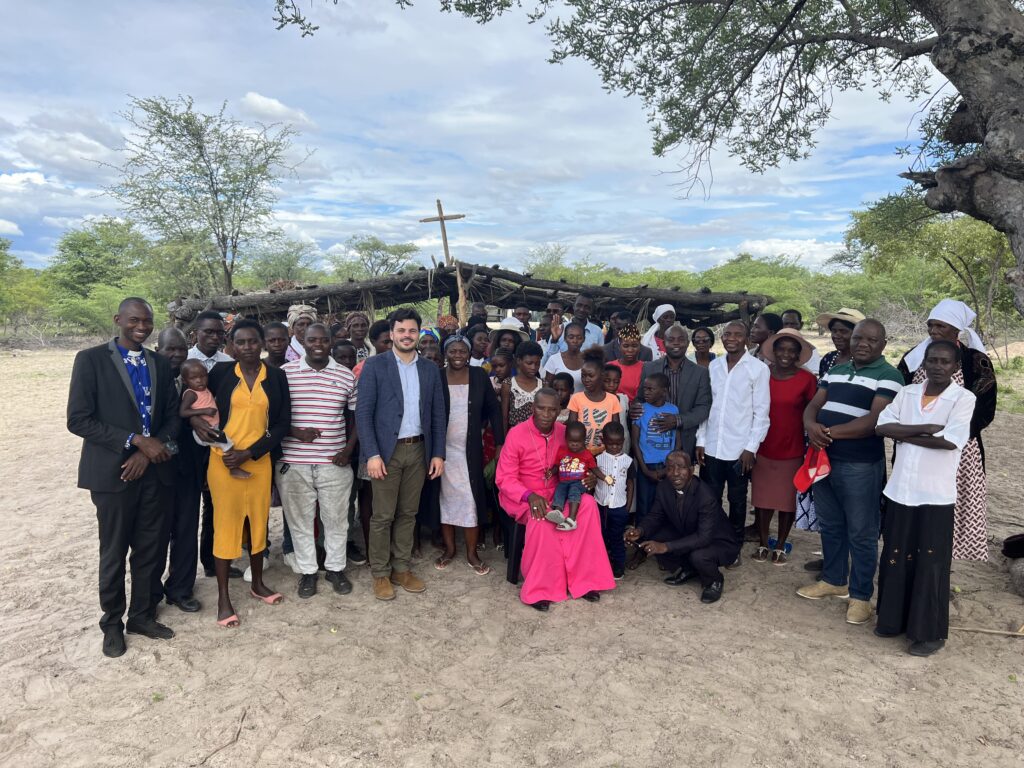
Bishop Pedro at a church in Centro e Sul in Southern Angola
Please pray for the pastors, catechists, and lay leaders who serve churches across Africa, often in challenging circumstances. Pray that they will be strengthened in faith and equipped to guide their communities wisely.
The future of the church depends not only on the number of believers but on the strength of the leaders who shepherd them. By investing in grassroots leadership today we help ensure that churches across Africa can flourish in faith, deepen discipleship, and continue sharing the gospel with the world.